
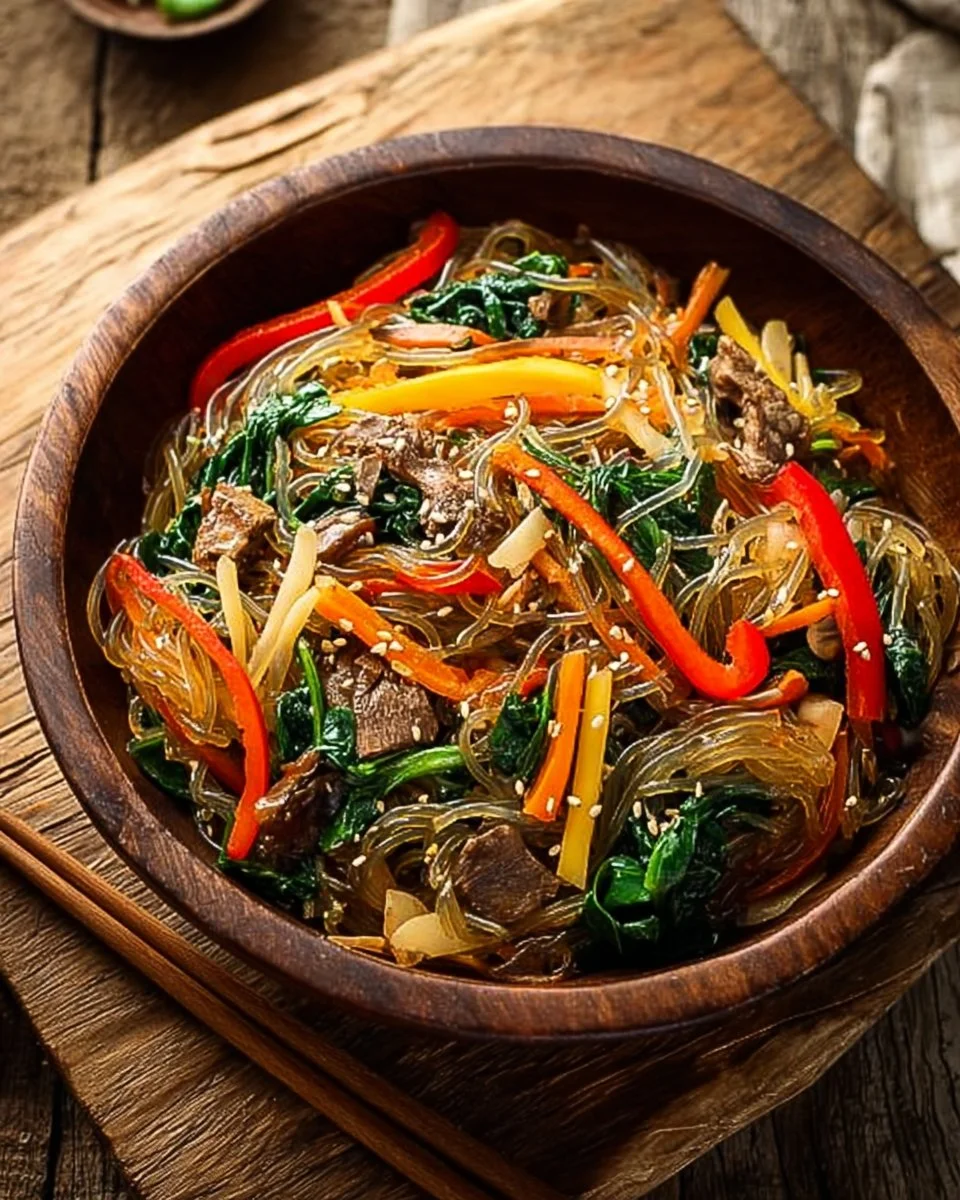
Deliciously Authentic Japchae: Your New Favorite Korean Noodle Delight
If there’s one dish that wraps its comforting arms around me like a warm hug, it’s Japchae. I remember the first time I tried it at my aunt’s house during one of our family gatherings. The aroma of stir-fried vegetables mingling with the sweet essence of sesame oil captivated my senses, and I was instantly hooked. Japchae isn’t just any noodle dish; it’s a celebration of flavors and textures that reminds me of cherished family moments spent around the dinner table.
What makes this recipe special? In my culinary journey, I’ve tried countless variations, but this one stands out for its balance of flavors and the delightful chewiness of sweet potato noodles. Unlike store-bought versions packed with preservatives or restaurant fare that often skimp on quality, this homemade Japchae is a true labor of love that’s easy to pull off in your kitchen!
Today, I’m excited to share not just a recipe but a heartfelt approach to creating this beloved Korean comfort food. You’ll learn how to master the art of Japchae, select the best ingredients, and customize it to your liking—all while filling your home with mouthwatering scents that will make your taste buds sing!
What Are Japchae?
Japchae, a classic Korean dish, has its roots in the 17th century and was originally served as a royal banquet dish. The name translates to "mixed vegetables," and it beautifully combines sweet potato noodles with a colorful medley of vegetables and proteins, often marinated beef.
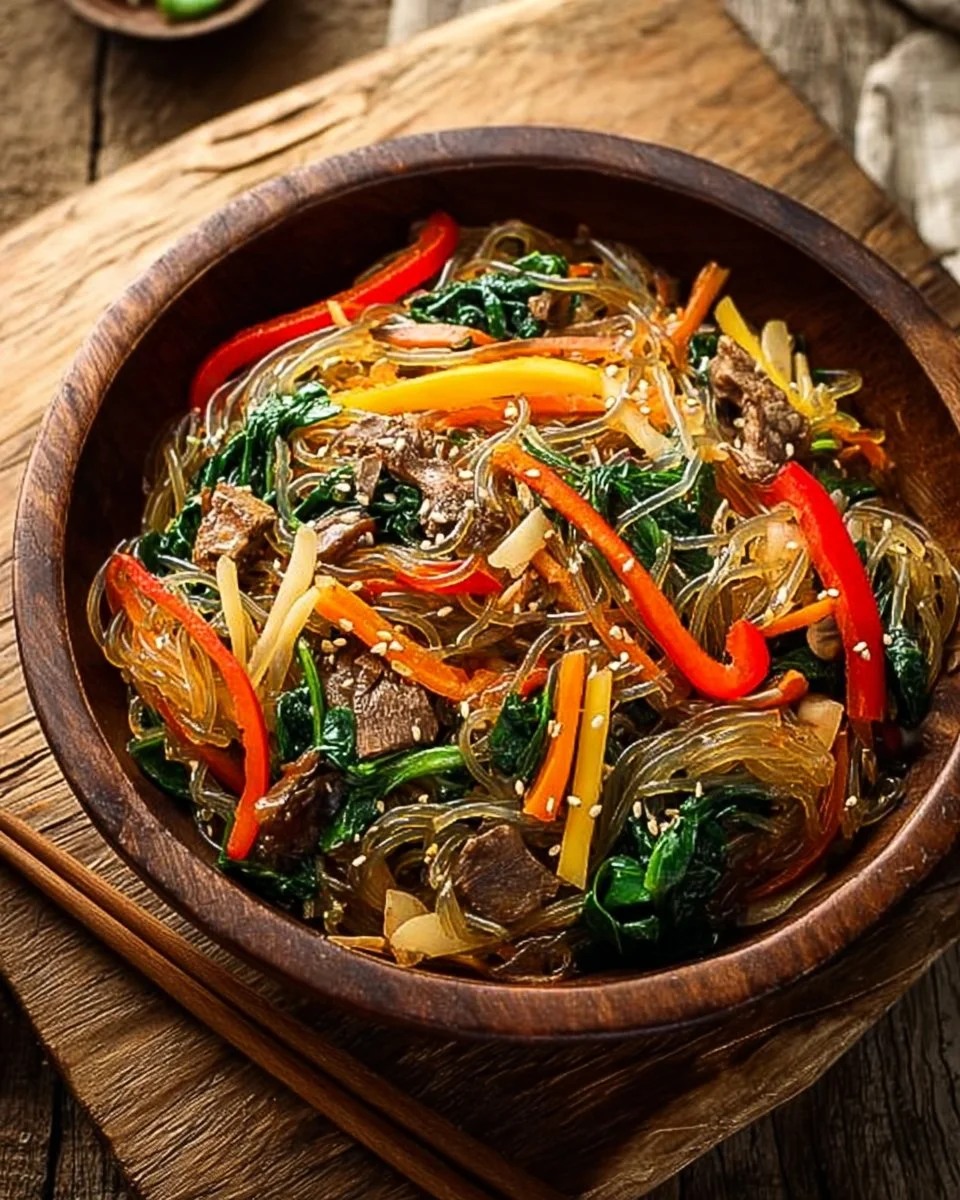
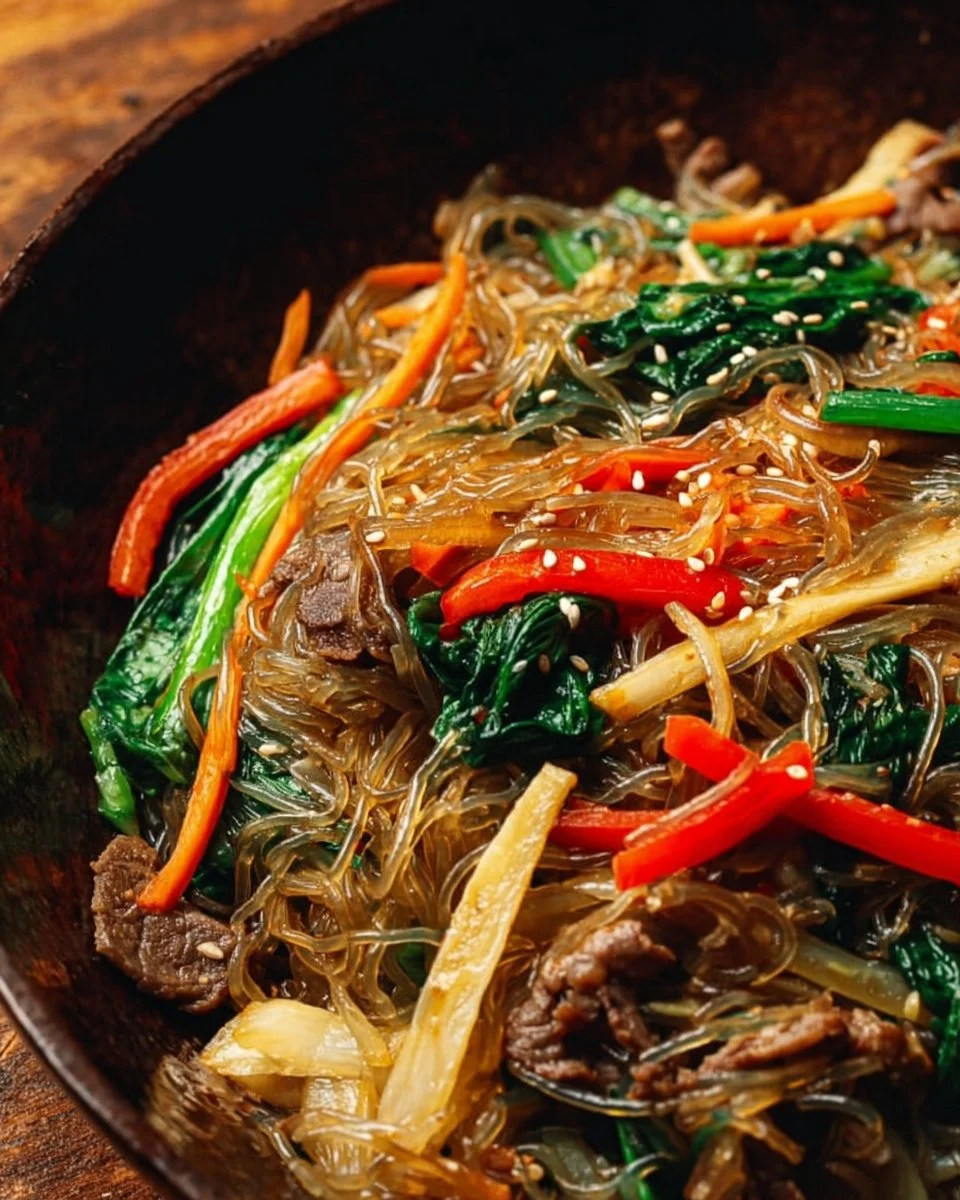
The taste and texture are simply divine! Sweet potato noodles offer a delightful chewy bite, perfectly paired with crisp, sautéed vegetables like carrots, spinach, and mushrooms. Each ingredient melds together seamlessly, creating a harmony of sweet, savory, and nutty flavors—thanks to the sesame oil and soy sauce.
So, when should you whip up this delicious dish? Japchae is perfect for celebrations, weekly meal prep, or whenever you crave a taste of Korean comfort food. With versatile ingredients, it’s a dish that can elevate any occasion!
Why You’ll Love This Recipe
Authentic Flavor: This homemade Japchae rivals any restaurant version without the added sugars and preservatives. The balance of soy sauce and sesame oil brings out a depth of flavor that’s truly satisfying.
Cost-Effective: You’ll be amazed by how economical it is to whip up a batch of Japchae at home! Instead of spending a fortune at a Korean restaurant, you can create a generous serving for less than you’d pay for one dish!
Customizable & Versatile: Want to use chicken instead of beef? Prefer tofu for a vegetarian twist? The options are endless! Add your favorite veggies or adjust the seasoning to suit your palate.
Simple Steps, Big Flavor: This recipe is straightforward and accessible, even for novice cooks. With just a few key steps, you’ll have a comforting, wholesome meal in less than an hour.
Meal Prep Friendly: Once you’ve mastered the art of Japchae, it’s a breeze to batch-cook! This dish stores beautifully and can be enjoyed cold or reheated for convenient lunches all week long.
Ingredients Section
To create the most mouthwatering Japchae, here’s everything you’ll need:
Sweet Potato Noodles (Dangmyeon): Look for high-quality, dried sweet potato noodles (I personally love brands like Chung Jung One). These provide the signature chewiness you desire.
Marinated Beef: Use thinly sliced beef (flank steak or sirloin works best) marinated in soy sauce, sugar, and sesame oil. You can also substitute with chicken, pork, or tofu for a vegetarian option.
Mushrooms: Shiitake or button mushrooms, sliced. They add umami and texture.
Carrots: Julienne or thinly sliced. They offer a sweet crunch that balances the dish.
Spinach: Fresh spinach adds vibrant color and nutrients.
Onions: Sliced onions add sweetness when sautéed. Use yellow or white onions for the best results.
Garlic: Minced fresh garlic enhances the aromatic profile.
Soy Sauce: Opt for Korean soy sauce for authentic flavor. Brands like Sempio are excellent choices.
Sesame Oil: A dash of toasted sesame oil goes a long way in adding that nutty depth.
Sugar: Just a teaspoon to enhance the flavors.
Sesame Seeds: For garnish and an extra nutty crunch.
Prep Notes:
- Ensure your sweet potato noodles are soaked in hot water for about 30 minutes until soft.
- If using room temperature butter, it’s great for adding richness during the sautéing phase.
Step-by-Step Instructions
Soak the sweet potato noodles in hot water for about 30 minutes until soft. You’ll know they’re ready when they’re pliable—just drain them and set aside.
In a pan, heat some oil over medium heat and cook the marinated beef for about 4-5 minutes until browned and cooked through. Remove and set aside.
In the same pan, add some oil if needed and sauté garlic, onions, and carrots for 3-4 minutes, or until tender. You can tell they’re ready when the onions turn a translucent shade.
Add mushrooms and spinach to the pan, stirring frequently for another 3-4 minutes until everything is cooked down. The spinach should wilt beautifully.
In a large bowl, combine the soaked noodles, cooked beef, and sautéed vegetables. This is where the magic happens as you mix everything together!
Add soy sauce, sesame oil, sugar, and sesame seeds; toss everything together until well-coated. The color should be a dark, glistening brown.
Serve warm or at room temperature—and don’t forget to sprinkle a few extra sesame seeds on top for that finishing touch!
Chef’s Tips:
- Don’t overcook the vegetables; they should maintain some crunch.
- For a deeper flavor, try marinating the beef overnight.
Common Mistakes to Avoid:
- Skipping the soaking process can result in chewy noodles.
- Not allowing the vegetables to cool slightly before mixing can lead to mushiness.
Expert Tips & Tricks
Perfecting the Noodles: If you find the noodles stick together, rinse them in cold water before adding to the mix.
Storage Recommendations: Leftovers can be stored in an airtight container in the fridge for 3-4 days.
Make-Ahead Instructions: You can prepare components a day in advance. Just mix it up before serving for fresh flavors!
Troubleshooting: If your noodles are overcooked, simply sauté with a bit of oil again to revive their texture.
Elevate the Taste: Try adding a splash of rice vinegar or chili flakes for a bit of heat for those who enjoy a kick!
Serving Suggestions
Japchae is incredibly versatile! Pair it with crispy Korean fried chicken for an indulgent feast, or serve it alongside a refreshing cucumber salad to balance the flavors. Presentation is key—consider serving in a large, shallow bowl garnished with sesame seeds and finely chopped scallions for added flair. Perfect for picnics, parties, or a cozy dinner at home!
Variations & Substitutions
Want to mix it up? Here are some fun twists on the classic:
- Vegetarian: Substitute marinated beef with tofu or more vegetables like bell peppers or zucchinis.
- Seasonal: Toss in seasonal veggies like asparagus or snap peas in the spring for a fresh take.
- Spicy: Add gochujang or crushed red pepper flakes for that extra heat, ideal for those with a fiery palate!
Nutrition & Storage Info
- Prep Time: 20 minutes
- Cook Time: 20 minutes
- Total Time: 40 minutes
- Yield: 4 servings
- Estimated Calories: Approximately 300 calories per serving.
- Storage Instructions: Store leftovers in the fridge for 3-4 days or freeze for up to 3 months.
FAQ Section
What can I use instead of sweet potato noodles?
- You can use rice noodles or even whole grain pasta for a different texture, but the authentic taste will vary.
Can I make Japchae gluten-free?
- Absolutely! Just ensure you use gluten-free soy sauce and confirm your noodle choice is safe.
Is it okay to reheat Japchae?
- Yes! You can reheat it in a pan or microwave. Just add a little water or oil to prevent it from drying out.
How do I prevent the noodles from clumping together?
- Rinse the noodles in cold water right after cooking and, if possible, toss them with a little sesame oil.
Can Japchae be served cold?
- Yes! It’s delicious both warm and cold, which makes it a fabulous dish for picnics or potlucks.
Should I marinate the beef overnight?
- Marinating for at least 15 minutes is sufficient, but overnight will deepen the flavors.
What’s the best way to cut vegetables for Japchae?
- Aim for evenly-sized, thin cuts to ensure everything cooks evenly and looks beautiful on the plate.
Can I use frozen vegetables?
- While fresh is always best, you can use frozen vegetables in a pinch. Just ensure to thaw and drain them before sautéing.
How do I know when the vegetables are done cooking?
- They should be tender but still vibrant in color, about 3-5 minutes of sautéing should suffice.
Can leftovers be eaten cold?
- Yes! Japchae is great at room temperature or cold, making leftovers a delicious snack option.
Conclusion
This Japchae recipe is more than just a meal; it’s a journey filled with flavors, textures, and family memories. I encourage you to bring it to your kitchen and see for yourself how easy and delightful it is to create. I can’t wait to hear about your experience so feel free to leave your feedback or questions in the comments! Don’t forget to check out my other recipes on the blog for more culinary inspiration that will surely impress your loved ones. Happy cooking!
Japchae
Ingredients
Noodles and Base
- 8 oz Sweet Potato Noodles (Dangmyeon) Look for high-quality, dried sweet potato noodles.
Protein
- 8 oz Marinated Beef Thinly sliced beef (flank steak or sirloin) marinated in soy sauce, sugar, and sesame oil. Substitute with chicken, pork, or tofu.
Vegetables
- 2 cups Mushrooms (Shiitake or button, sliced) Adds umami flavor.
- 1 cup Carrots (Julienne or thinly sliced) Adds sweetness and crunch.
- 2 cups Fresh Spinach Enhances color and nutrients.
- 1 medium Onion (sliced) Use yellow or white onions for best flavor.
- 2 cloves Garlic (minced) Enhances the aromatic profile.
Sauces and Seasonings
- 3 tbsp Soy Sauce Opt for Korean soy sauce for authentic flavor.
- 2 tbsp Sesame Oil Toasted sesame oil adds depth.
- 1 tsp Sugar Enhances the flavors.
- 2 tbsp Sesame Seeds For garnish and extra texture.
Instructions
Preparation
- Soak the sweet potato noodles in hot water for about 30 minutes until soft. Drain and set aside.
Cooking Beef
- In a pan, heat some oil over medium heat and cook the marinated beef for about 4-5 minutes until browned and cooked through. Remove and set aside.
Sautéing Vegetables
- In the same pan, add some oil if needed and sauté garlic, onions, and carrots for 3-4 minutes until tender.
- Add mushrooms and spinach, stirring frequently for another 3-4 minutes until everything is cooked down.
Combining
- In a large bowl, combine the soaked noodles, cooked beef, and sautéed vegetables.
- Add soy sauce, sesame oil, sugar, and sesame seeds; toss until well-coated.
Serving
- Serve warm or at room temperature, garnished with extra sesame seeds.