

Master the Art of French Macarons: A Recipe You’ll Treasure
When I first fell in love with baking, I was captivated by the delicate elegance of French macarons. Fluffy, pastel-colored shells with a crisp exterior and a chewy interior, these little wonders are not just sweet treats; they’re tiny bites of perfection that transport me back to the cobblestone streets of Paris. I still remember my first attempt: a kitchen frosted in powdered sugar, a failed batter splattered on the walls, and a heart full of determination. Now, I can proudly say that I’ve cracked the code, and today I’m excited to share my tried-and-true French macaron recipe that has been a hit with family and friends alike.
What sets this recipe apart is the depth of flavor and texture it brings to every macaron—each bite melts in your mouth while packing a punch of delightful sweetness from the filling. These macarons have become a cherished part of my family’s celebrations, whether it’s birthdays, holidays, or just a cozy Sunday afternoon. The smiles on my loved ones’ faces as they take their first bite? That’s the best reward a baker can ask for.
In this post, you’ll not only learn how to make flavorful French macarons from scratch but also discover tips and tricks that will help you overcome common hurdles. Ready to bake some memories? Let’s get started!
What Are French Macarons?
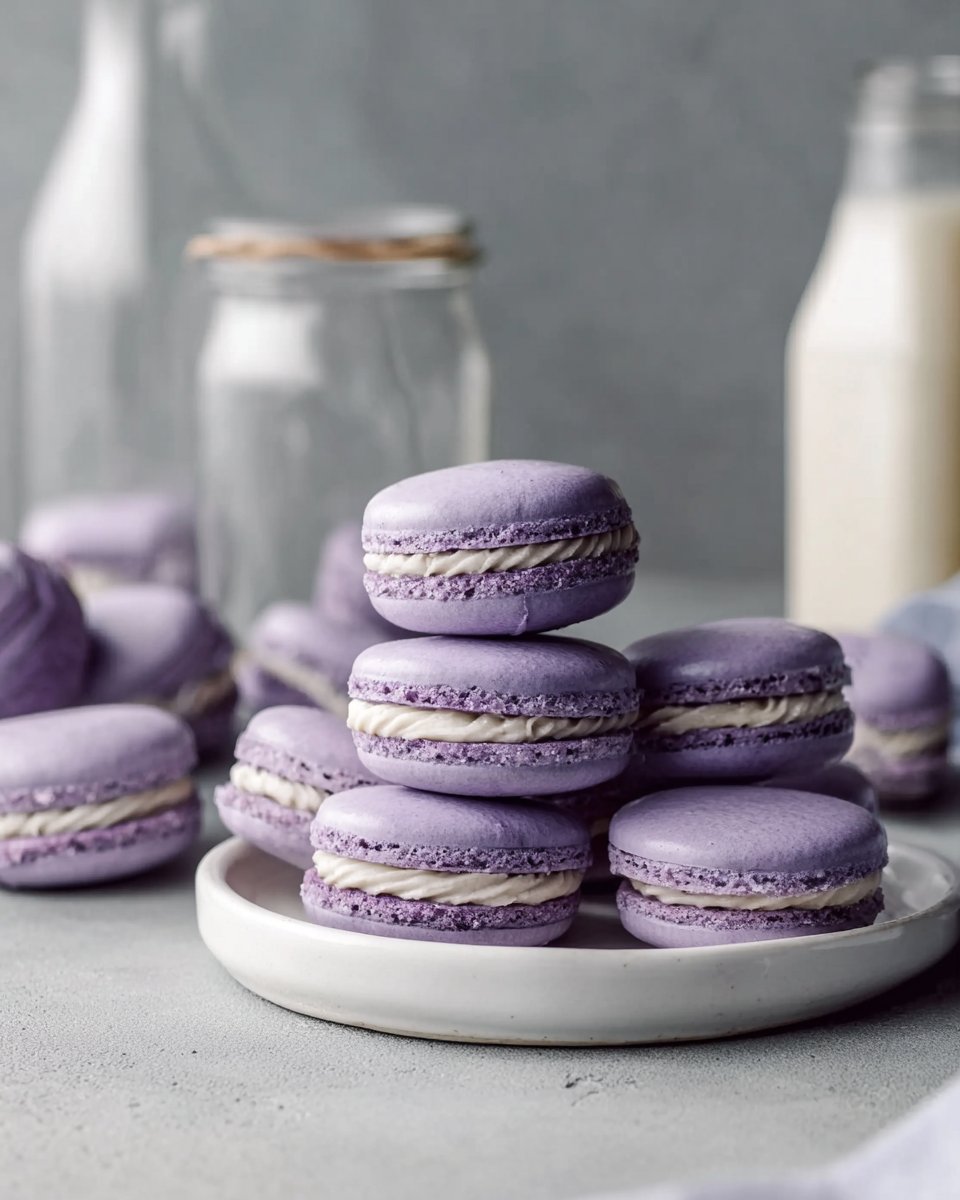
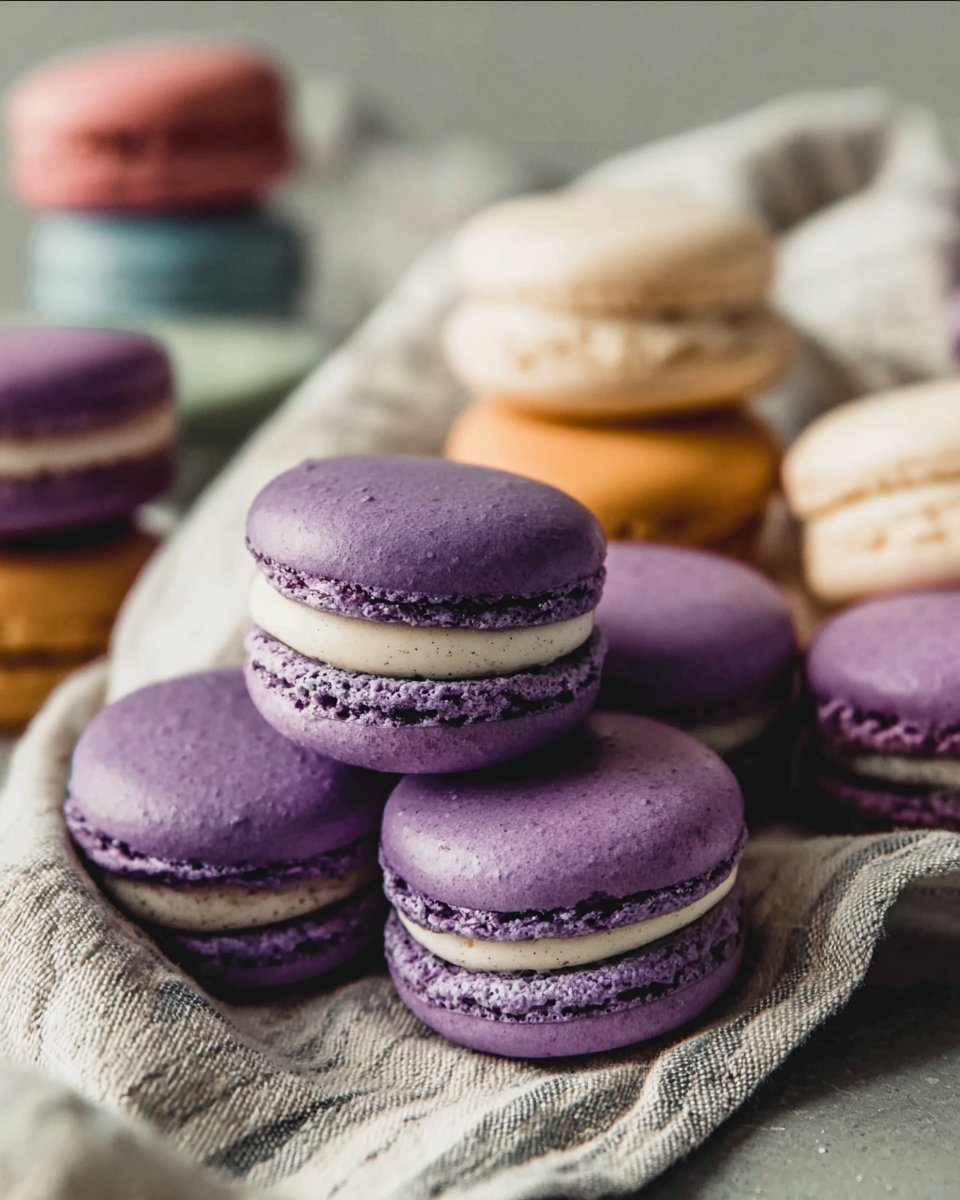
French macarons are not to be confused with the coconut macaroons you might find at dessert buffets. No, these beauties are delicate almond meringue cookies sandwiched with luscious fillings. Originating from Italy and refined in France, they have become a staple of French patisserie.
These delightful treats are characterized by their crunchy outer shell, which gives way to a soft, chewy interior, often kissed with vibrant colors and filled with buttercream, ganache, or fruit curd. One bite of these dreamy little cookies can bring a sunny afternoon to life, making them the perfect treat for any occasion, from tea parties to weddings.
Whether you’re celebrating a milestone or simply treating yourself, French macarons are a guaranteed show-stopper!
Why You’ll Love This Recipe
Homemade Flavor: There’s nothing like the taste of freshly baked macarons. Unlike store-bought ones, you have control over the quality of your ingredients, which means better flavor and texture in every bite.
Cost-Effective: Making macarons at home may seem daunting, but it’s much more cost-effective than buying them at a bakery, where prices can soar. With just a handful of ingredients, you’ll be able to whip up a batch that rivals any fancy patisserie.
Customize to Your Heart’s Content: One of the best aspects of this recipe is the endless customization it allows. From different flavors of fillings to vibrant food colorings, you can adapt this classic French macaron recipe to fit any theme or personal taste.
Skill Development: Perfecting macarons is a baking rite of passage. While they can be tricky, mastering them boosts your confidence and impresses your friends and family. Plus, the glow of pride every time you share a batch is unbeatable!
Perfect for All Occasions: Whether it’s a birthday celebration, holiday gathering, or just a Tuesday afternoon, French macarons are guaranteed to make any moment feel special. Plus, they’re just plain fun to eat!
Now that you’re convinced let’s dive into the ingredients that will make your macarons shine!
Ingredients for Perfect French Macarons
- 150 grams sifted super-fine almond flour (measure after sifting — see notes)
- 180 grams powdered sugar
- 1/4 teaspoon salt
- 120 grams large egg whites (room temperature; about 4 large eggs)
- 60 grams granulated sugar
- 4 drops liquid-gel food coloring (or more for a stronger color — see notes)
- 1 teaspoon pure vanilla extract
- Vanilla Buttercream Frosting (or your choice of filling)
Notes on Ingredients
- Almond Flour: Look for super-fine almond flour for the best texture. Bob’s Red Mill is a great brand. Make sure to sift to avoid clumps!
- Egg Whites: Let your egg whites come to room temperature for the best results. If you’re using egg whites from a carton, ensure they don’t contain added ingredients, which can affect the meringue.
- Coloring: Choose a gel-based food coloring for vibrant hues—liquid dyes dilute the mixture, which could affect the shells.
- Butter: Make sure your butter is at room temperature when making the filling. I love using Kerrygold for its rich flavor.
Step-by-Step Instructions
Step 1: Prepare Your Piping Bag
Cut the tip off a large piping bag and fit it with a large plain tip. To keep the macaron batter from leaking later, twist the bag just above the tip and push the twisted portion into the tip. For a visual aid, check out America’s Test Kitchen! To hold the bag open, place it in a tall glass, folding the top over the sides of the glass. Set aside.
Step 2: Prep Dry Ingredients
Sift 150 grams of almond flour into a medium bowl, discarding any large pieces that don’t go through the sieve. Next, sift 180 grams of powdered sugar into the same bowl and gently mix the two together. Set this aside while you make the meringue.
Step 3: Make the Meringue
In a large glass or metal bowl, wipe down the sides with vinegar or lemon juice to eliminate any grease. Add 1/4 teaspoon salt and 120 grams of egg whites. Using an electric mixer fitted with the whisk attachment, beat the egg whites on medium-high speed until they form bubbles on top—about 30 seconds to 1 minute.
With the mixer still running, gradually add the 60 grams of granulated sugar, measuring out about 1/2 teaspoon at a time. Whip the egg whites for about 20 to 30 seconds between each addition. Once all the sugar is added, continue whipping until you reach stiff peaks.
To check for stiff peaks, dip your whisk into the mixture; when you invert it, the meringue should stand straight without curling.
Step 4: Add Color and Flavor
Add your 4 drops of liquid-gel food coloring and 1 teaspoon of vanilla extract to the meringue. Gently mix to combine.
Step 5: Combine Dry and Wet Ingredients
Gently fold the almond flour mixture into the meringue in three additions. Once fully incorporated, it’s time to start the macaronage (mixing) step!
With a spatula, push the batter against the side of the bowl and then down through the center to deflate it slightly. Mix until the batter reaches a thick, lava-like consistency that flows off your spatula in ribbons. You should be able to draw a figure 8 with the batter without it breaking, and the 8 should sink back into the mixture within about 20 seconds.
Step 6: Pipe the Macaron Shells
Transfer the macaron batter to the prepared piping bag without spooning it in. Instead, tilt the bowl to pour the batter in, scraping down the sides. Unfold and twist the top of the bag.
Hold the piping bag perpendicular to your parchment-lined baking sheet and pipe macarons, allowing about 1-inch of space between each cookie. Remember they will flatten slightly as they sit.
Step 7: Bang and Dry
Firmly bang each baking sheet on the counter 5 to 10 times to even out the tops and pop any air bubbles. If you notice stubborn bubbles on the surface, use a toothpick to carefully poke them. Let your macarons sit at room temperature for 30 to 60 minutes until they form a skin that doesn’t stick to your finger.
Step 8: Bake
Bake one baking sheet at a time in the center of your preheated 315°F (160°C) oven for 12 to 15 minutes. Gently touch one with your finger; it should not jiggle, and the macarons should have developed those lovely little "feet" on the bottom.
Step 9: Cool and Fill
Let the macarons cool completely on the baking sheet before carefully peeling them off the parchment paper. Match up similarly sized shells together.
Pipe your desired filling onto the bottom of one shell and sandwich it with another.
Expert Tips & Tricks
Baking and Timing: Ovens vary significantly; if your macarons are browning too quickly, lower the temperature by 10 degrees.
Humidity Alert: High humidity can affect your meringue; if it’s a particularly muggy day, allow your piped macarons to dry longer before baking.
Storage: Store unfilled shells in an airtight container at room temperature for up to 3 days or in the fridge for up to a week. Once filled, they’re best consumed fresh!
Make Ahead: Macaron shells can be made a day ahead and stored in the fridge in an airtight container. Just fill them right before serving for ultimate freshness.
Troubleshooting: If your macarons crack, it’s often due to overmixing or under-baking. Make sure you’ve reached the right consistency and let them bake long enough!
Serving Suggestions
Serve these French macarons alongside a nice cup of coffee or tea—perfect for an afternoon pick-me-up! Elegantly stack them on a tiered cake stand for a beautiful presentation at your next gathering.
These macarons are great for holidays or special occasions—think pink for Valentine’s Day, green for St. Patrick’s Day, or vibrant colors for a birthday bash!
Variations & Substitutions
- Flavor Combinations: Feel free to experiment with flavors! Use cocoa powder for chocolate macarons, or incorporate matcha powder for a green tea twist.
- Dietary Adaptations: For gluten-free options, you’re in the clear with almond flour. You can also try a vegan version using aquafaba (the liquid from canned chickpeas) in place of egg whites.
- Seasonal: Add seasonal flavors like pumpkin spice in fall or peppermint essence for winter holidays.
Nutrition & Storage Info
- Prep Time: 30 minutes (plus 30-60 minutes drying)
- Cook Time: 15 minutes
- Total Time: Approximately 1 hour, 30 minutes
- Yield: 24 macarons (12 filled)
- Estimated Calories: Around 100 calories per macaroon, depending on filling.
Storage Instructions:
- Room Temperature: Unfilled shells can sit for up to 3 days in an airtight container.
- Fridge: Filled macarons are best fresh but can last up to a week.
- Freezer: Both filled and unfilled macarons can be frozen for up to 3 months. Just make sure to wrap them well to avoid freezer burn.
FAQs
Why did my macarons crack?
- Cracks usually indicate that the macarons were not dried long enough or are overbaked. Make sure to dry them to form a skin and adjust your baking time if necessary.
Can I use egg whites from a carton?
- Yes, but ensure they are pure with no additives for the best results!
What’s the best way to color macarons?
- Use gel food coloring instead of liquid. It won’t alter the composition of your batter and gives vibrant colors.
How can I make chocolate macarons?
- Substitute 15 grams of almond flour with unsweetened cocoa powder for each 150 grams of flour.
What’s the secret to perfect feet on macarons?
- Proper resting before baking is crucial for developing those distinctive "feet." Make sure the batter isn’t too runny and has formed a skin.
How can I store leftover macarons?
- Store in an airtight container in the fridge for up to a week, or freeze them for longer-lasting enjoyment.
Can I make these ahead of time?
- Yes! You can prepare the macaron shells a day in advance and fill them just before serving for optimal freshness.
Why are my macarons hollow inside?
- This could happen if the batter wasn’t mixed adequately or if they were baked at too high a temperature.
What if my meringue is grainy?
- Ensure your sugar is fully dissolved and the meringue is whipped to stiff peaks.
Can I use another nut flour instead of almond flour?
- Typically, almond flour is recommended for flavor and texture, but you can experiment cautiously with other nut flours.
Conclusion
This French macaron recipe is a true labor of love that’s sure to win hearts and taste buds. With practice and patience, these delectable treats can become a cherished part of your baking repertoire, not only as a sweet indulgence but also as edible memories filled with laughter and joy.
I can’t wait for you to try it out! Let me know how your macarons turn out, share your flavors, and feel free to provide feedback in the comments. And while you’re here, check out more of my baking adventures on the blog—there’s always something sweet waiting just for you!
Happy baking! 🥐💖
Enjoy your macarons with joy and laughter!
French Macarons
Ingredients
Macaron Shells
- 150 grams sifted super-fine almond flour Measure after sifting.
- 180 grams powdered sugar
- 1/4 teaspoon salt
- 120 grams large egg whites Room temperature; about 4 large eggs.
- 60 grams granulated sugar
- 4 drops liquid-gel food coloring Adjust for color strength.
- 1 teaspoon pure vanilla extract
Fillings
- 1 batch Vanilla Buttercream Frosting Or your choice of filling.
Instructions
Preparation
- Cut the tip off a large piping bag and fit it with a large plain tip. Twist the bag to prevent leaking and place it in a tall glass.
- Sift almond flour and powdered sugar into a bowl, discarding large pieces, and set aside.
- Wipe a bowl with vinegar or lemon juice, add salt and egg whites, and beat until foamy.
- Gradually add granulated sugar, whipping until stiff peaks form.
- Add food coloring and vanilla extract to the meringue and gently mix to combine.
- Fold the almond flour mixture into the meringue in three additions until fully incorporated.
- Transfer the batter to the piping bag and pipe macarons onto a parchment-lined baking sheet.
- Bang the sheets on the counter to release air bubbles and let them dry at room temperature for 30 to 60 minutes.
Baking
- Bake in a preheated oven at 315°F (160°C) for 12 to 15 minutes. Let cool completely on the baking sheet.
- Fill with your desired filling and sandwich together.