
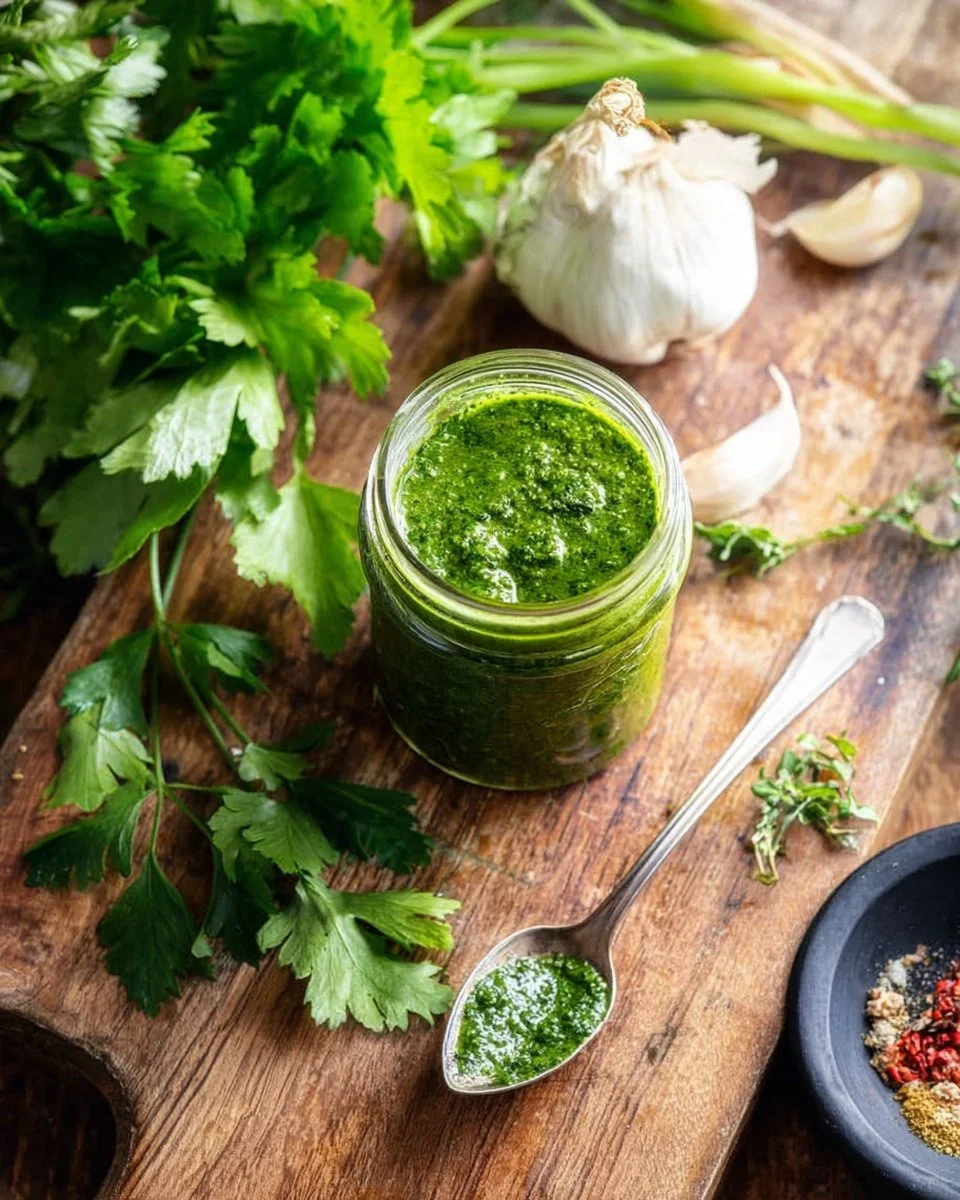
Zesty Chimichurri Sauce: Bring Bold Flavors to Your Table!
Growing up, Sunday dinners were sacred in my home. The enticing aroma of grilled meats wafted through the air, bringing the family together around the table. Our secret weapon? Chimichurri sauce—a vibrant, herby condiment that would elevate even the most humble of meals into something spectacular. Today, I want to share my recipe for this tangy, fresh sauce that’s become a staple in our family gatherings, and quite frankly, it’s far better than any store-bought version I’ve ever tasted.
What sets my Chimichurri apart is a carefully crafted balance of flavors that packs a punch without overwhelming the taste buds. The bright green parsley and cilantro dance together with a hint of spice from the jalapeño, while the garlic adds depth that you won’t forget. Memories of laughter and shared stories around the dinner table are woven into every bite, reminding me of just how much good food can connect us.
In this post, you’ll learn the secrets to making a delectable Chimichurri sauce that can be used as a marinade, a dipping sauce, or simply a delightful drizzle over your favorite dishes. Let’s dive in!
What is Chimichurri Sauce?
Chimichurri sauce hails from Argentina, traditionally served alongside grilled meats, but its versatility has won hearts worldwide. This fresh sauce is a unique concoction of chopped herbs, garlic, vinegar, and olive oil that creates a zesty, invigorating complement to various dishes. The texture is a harmonious blend of slushy and oily, giving it a satisfying mouthfeel that makes it incredibly fresh.
What makes this sauce truly unique is its no-cook nature and the refreshing brightness of the herbs, which serve as a counterpoint to the smokiness of grilled proteins. It’s the kind of sauce that can transform a simple weeknight dinner into a lively culinary experience. Perfect for summer barbecues or cozy family dinners, Chimichurri is always a star on the table.
Why You’ll Love This Recipe
Fresh and Flavorful: Made with fresh herbs, this Chimichurri sauce is bursting with flavor, unlike the overly processed options you find in stores. The freshness makes a world of difference!
Cost-Effective: Creating this sauce at home is not only easy but also incredibly budget-friendly. A few simple ingredients—many of which you may already have—come together to create a vibrant condiment that rivals any restaurant version.
Customizable: Don’t have jalapeños? Swap in a dash of red pepper flakes for some heat! Want to kick it up a notch? Add a squeeze of lemon juice for an even brighter flavor profile. This recipe is all about making it your own.
Easy and Quick: With minimal prep time and just a few simple steps, you can whip this sauce together in no time. You’ll be amazed by how quickly it enhances your meals!
Great for Meal Prep: Once you make it, Chimichurri sauce lasts up to two days in the fridge, making it perfect for preparing ahead of time to enjoy throughout the week.
Ingredients
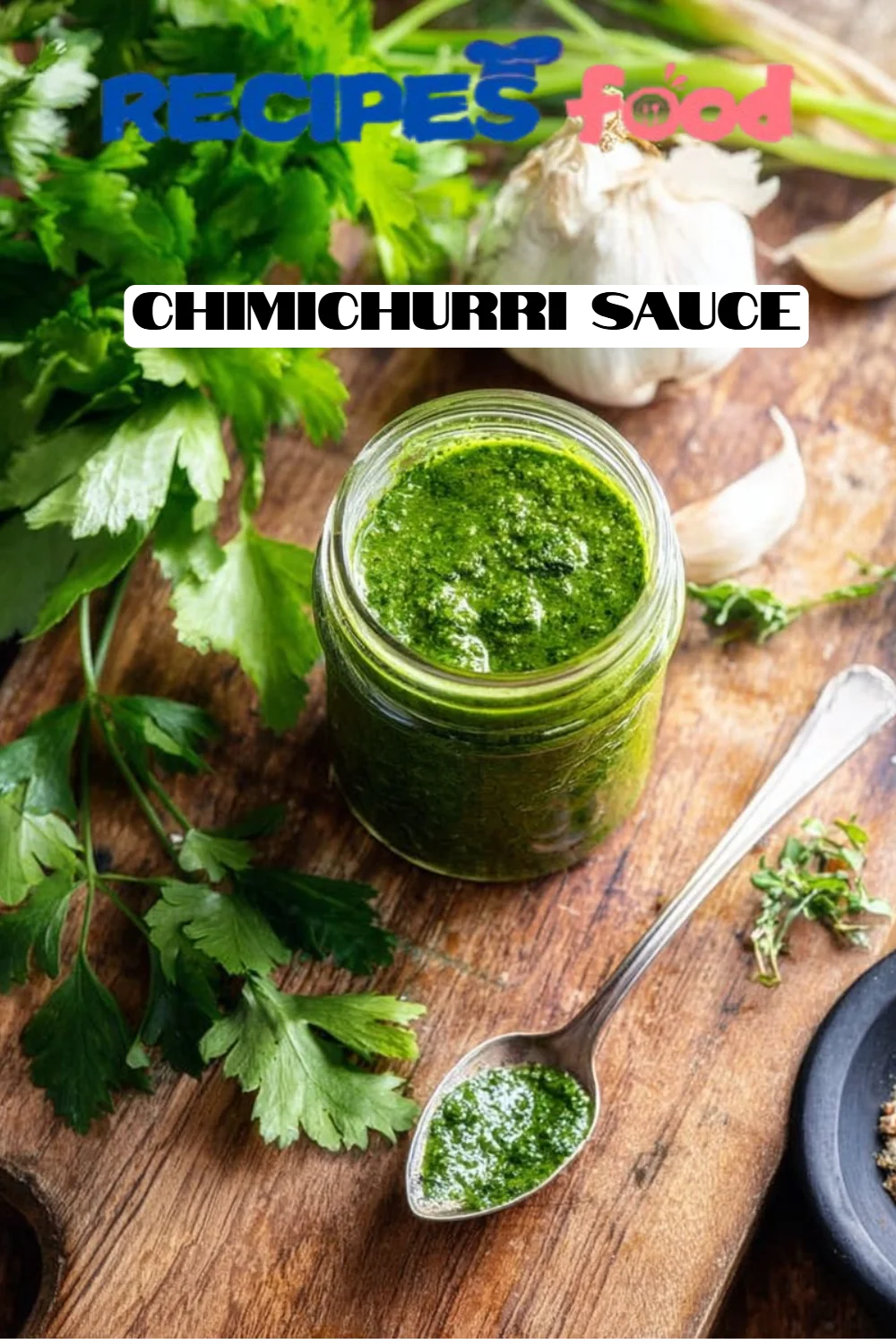
2 cups parsley leaves, coarsely chopped: Fresh parsley is essential for that herby flavor. Use flat-leaf for the best taste.
1 cup cilantro leaves, coarsely chopped: Adds brightness and complements the parsley beautifully. If you’re not a cilantro fan, feel free to leave it out!
1 medium jalapeño, seeded and chopped (optional): For a little heat! Adjust based on your spice tolerance.
3/4 cup extra virgin olive oil: Quality matters! Choose a good-quality extra virgin olive oil for the richest flavor.
1/4 cup red wine vinegar: Provides the tangy kick, balancing the oil and herbs.
3-4 garlic cloves: Fresh garlic is key; it adds an aromatic depth that can’t be matched.
1/4 tsp red pepper flakes (optional): For those who like it spicy!
Salt to taste: Season to bring out the flavors.
Freshly ground black pepper to taste: Always fresh for the best flavor!
Notes on Ingredient Quality/Substitutions
Use organic, fresh herbs for the brightest flavor.
If you prefer a milder sauce, you can skip the jalapeño or reduce the amount.
For vinegars, white wine vinegar could substitute red wine vinegar in a pinch, but the taste will differ slightly.
For a nutty flavor, consider adding in some toasted nuts like pine nuts or walnuts, blending them until smooth with the herbs.
Prep Notes
Let your olive oil come to room temperature before use for easier mixing.
If you have leftovers, keep the sauce in an airtight container in the fridge for up to 2 days—if it lasts that long!
Step-by-Step Instructions
Blend the Ingredients: Put all the ingredients into a blender or food processor. Blend until you achieve a smooth, slightly chunky consistency; about 30 seconds should do it.
Taste Test: Taste your Chimichurri sauce, and if you feel it needs more zing, add a splash more of the red wine vinegar and blend again briefly.
Let It Rest: Transfer the mixture to a jar or container with a lid and let it stand for 2-3 hours at room temperature. This resting period is crucial as it allows the flavors to meld beautifully.
Storage: Your homemade Chimichurri sauce will keep in the fridge for up to 2 days. When ready to use, give it a quick stir before drizzling!
Chef’s Tip: For an even more intense flavor, make the Chimichurri a day before you plan to use it. The longer it sits, the more the flavors develop.
Common Mistakes to Avoid:
- Not letting the sauce rest can lead to a less vibrant flavor. Allow it time to meld!
- Over-processing the sauce can lead to a paste-like texture instead of the desired chunky consistency.
Expert Tips & Tricks
Use Fresh Ingredients: Fresh herbs are key for the best Chimichurri. Wilted herbs will change the flavor profile significantly.
Store in Airtight Containers: Always store your sauce in an airtight jar to keep it fresh and prevent oxidation.
Customize with Citrus: Add the zest of a lemon or lime for an unconventional twist that brightens the sauce.
Serving Temperature: Serve chimichurri at room temperature for the best flavor; cold oil can dull the taste.
Try Before You Commit: When experimenting with spice levels or added ingredients, start small. You can always add more, but you can’t take it out!
Make Ahead for Parties: If you’re hosting a gathering, make your chimichurri in advance; it’ll save you time and impress your guests.
Serving Suggestions
Chimichurri sauce is incredibly versatile! Use it as a marinade for grilled steak, chicken, or shrimp. It also pairs beautifully with roasted vegetables or drizzled over rice and beans. For a fun presentation, serve it alongside crumbled feta cheese or grilled halloumi on a charcuterie board. Perfect for summer barbecues, family gatherings, or even a cozy weeknight dinner—the possibilities are endless!
Variations & Substitutions
Different Herbs: Experiment with other fresh herbs like mint or basil for a different flavor profile.
Seasonal Adjustments: In the summer, add fresh tomatoes to the blend for a salsa-like version; in the fall, consider adding a touch of sage for warming notes.
Dietary Restrictions: If you’re looking for a gluten-free option, this sauce naturally fits the bill. Vegans will also love this fresh, plant-based condiment!
Nutrition & Storage Info
- Prep Time: 10 minutes
- Resting Time: 2-3 hours
- Total Time: 2 hours 10 minutes
- Yield: Approximately 1.5 cups (6-8 servings)
- Estimated Calories per Serving: 70
Storage Instructions
Store your Chimichurri sauce:
- Room Temperature: Not recommended, best enjoyed fresh.
- Fridge: Up to 2 days in a tightly sealed container.
- Freezer: For longer storage, freeze in an ice cube tray; transfer to a zip-top bag for up to 3 months.
FAQ Section
Can Chimichurri Sauce be frozen?
Yes! Freezing in an ice cube tray allows you to portion out the sauce for future use. Just toss a cube into your next meal!How do I make it less spicy?
Omit the jalapeño or reduce the amount of red pepper flakes. You can also add more olive oil to balance the heat.What can I use Chimichurri sauce with?
It’s fabulous with grilled meats, roasted vegetables, on sandwiches, or even as a salad dressing!Can I use dried herbs instead of fresh?
While fresh herbs are recommended for optimal flavor, you can use dried herbs—just remember they’re more concentrated, so reduce the quantity.How long does Chimichurri last in the fridge?
It will keep well in the fridge for 2 days. After that, the flavors may start to degrade.Can I use white vinegar instead?
Yes, white vinegar can be used as a substitute but will alter the flavor profile a bit. The red wine vinegar gives a distinctive taste.Will this sauce pair well with fish?
Absolutely! Chimichurri pairs beautifully with grilled or baked fish, imparting a fresh zing.Is there a way to make this recipe lower calorie?
Use less olive oil or substitute with a lower-calorie oil, but be aware this can affect the flavor.What’s the best way to chop the herbs?
A sharp knife will do the job, but using a food processor saves time. Just be careful not to over-process.Can I make a larger batch?
Yes, scaling up this recipe is easy! Just keep the ratios the same, and enjoy the extra sauce.
Conclusion
This Chimichurri sauce is more than just an accompaniment; it’s a burst of flavor that brings back cherished family memories and transforms simple meals into culinary masterpieces. I encourage you to give this recipe a try and make it your own. I’d love to hear your thoughts—did you make it spicy with jalapeños, or did you keep it classic? Share your feedback in the comments!
Looking for more delicious recipes? Check out my other posts for inspiration on summer grilling, quick weeknight dinners, and more flavorful sauces. Happy cooking!
Chimichurri Sauce
Ingredients
Fresh Herbs
- 2 cups parsley leaves, coarsely chopped Use flat-leaf for the best taste.
- 1 cup cilantro leaves, coarsely chopped If you’re not a cilantro fan, feel free to leave it out.
Spicy Ingredients
- 1 medium jalapeño, seeded and chopped (optional) Adjust based on your spice tolerance.
- 1/4 tsp red pepper flakes (optional) For those who like it spicy.
Oils and Vinegar
- 3/4 cup extra virgin olive oil Choose a good-quality olive oil for the richest flavor.
- 1/4 cup red wine vinegar Provides the tangy kick.
Garlic
- 3-4 cloves garlic Fresh garlic adds an aromatic depth.
Seasonings
- to taste salt Season to bring out the flavors.
- to taste freshly ground black pepper Always fresh for the best flavor.
Instructions
Preparation
- Put all the ingredients into a blender or food processor.
- Blend until you achieve a smooth, slightly chunky consistency; about 30 seconds should do it.
- Taste your Chimichurri sauce, and if it needs more zing, add a splash more of the red wine vinegar and blend again briefly.
- Transfer the mixture to a jar or container with a lid and let it stand for 2-3 hours at room temperature.
Storage
- Your homemade Chimichurri sauce will keep in the fridge for up to 2 days.
- When ready to use, give it a quick stir before drizzling.