

Irresistible Traditional Greek Tsoureki: A Sweet Journey into Nostalgia
As I sit by my kitchen window, watching the sun rise on another beautiful morning, I’m reminded of the aroma of freshly baked bread from my grandmother’s kitchen. She would whip up a batch of Traditional Greek Tsoureki every Easter, and the sweet, yeasty scent would waft through the air, wrapping us in cozy memories. Tsoureki, with its braided beauty and subtly spiced flavors, wasn’t just a treat – it was a family tradition, a connection to our roots, and the ultimate comfort food.
What makes my Tsoureki recipe stand out from the rest? It’s all about the love and personal touches I’ve added through years of tinkering and tasting. By incorporating ground mahlab and cardamom, along with a foolproof rise and bake technique, this isn’t just any Tsoureki – it’s a labor of love guaranteed to impress.
Join me on this culinary journey as we dive deeper into the world of Traditional Greek Tsoureki. I promise you’ll learn not only how to create this delightful bread but also how to infuse it with your own family memories and traditions.
What Are Traditional Greek Tsoureki?
Originating from the rich culinary tradition of Greece, Traditional Greek Tsoureki is a sweet bread often enjoyed during celebrations, particularly around Easter. This aromatic bread stands out due to its unique texture – fluffy yet dense, with a golden crust that crinkles enticingly as it cools, inviting you to take that first bite. With hints of spices, particularly the anise-flavored mahlab and fragrant cardamom (if you choose to include them), each slice delivers not just taste but also a hint of nostalgia.
People typically prepare Tsoureki for special occasions or family gatherings, where it serves as both a delightful dessert and a beloved breakfast item. When you immerse yourself in the process, you’ll discover why this bread is treasured across generations—it’s a gorgeous representation of Greek hospitality and love.
Why You’ll Love This Recipe
A Slice of Home: There’s something incredibly special about making Traditional Greek Tsoureki at home. The entire cooking process fills your kitchen with warmth and memories, transforming it into a gathering spot for family and friends.
Cost-Effective Bliss: Why pay for store-bought bread that can often be dry and tasteless? With just a few affordable ingredients, this recipe allows you to create an artisanal bread that tastes infinitely better—plus, you know exactly what’s in it.
Customizable Flavor: Love nutmeg or orange zest? Feel free to experiment! This recipe is versatile enough for your creativity to shine, allowing for seasonal variations or personal favorites.
Simplicity in Preparation: Despite its impressive appearance, this Traditional Greek Tsoureki recipe is beginner-friendly! The time spent kneading and waiting is well worth it, and the result will leave you feeling like a seasoned baker.
A Memorable Gift: Sharing a loaf of homemade Tsoureki is a heartfelt gesture that screams love and care. It’s the perfect treat for neighbors or friends, bringing smiles and joy to those lucky enough to receive it!

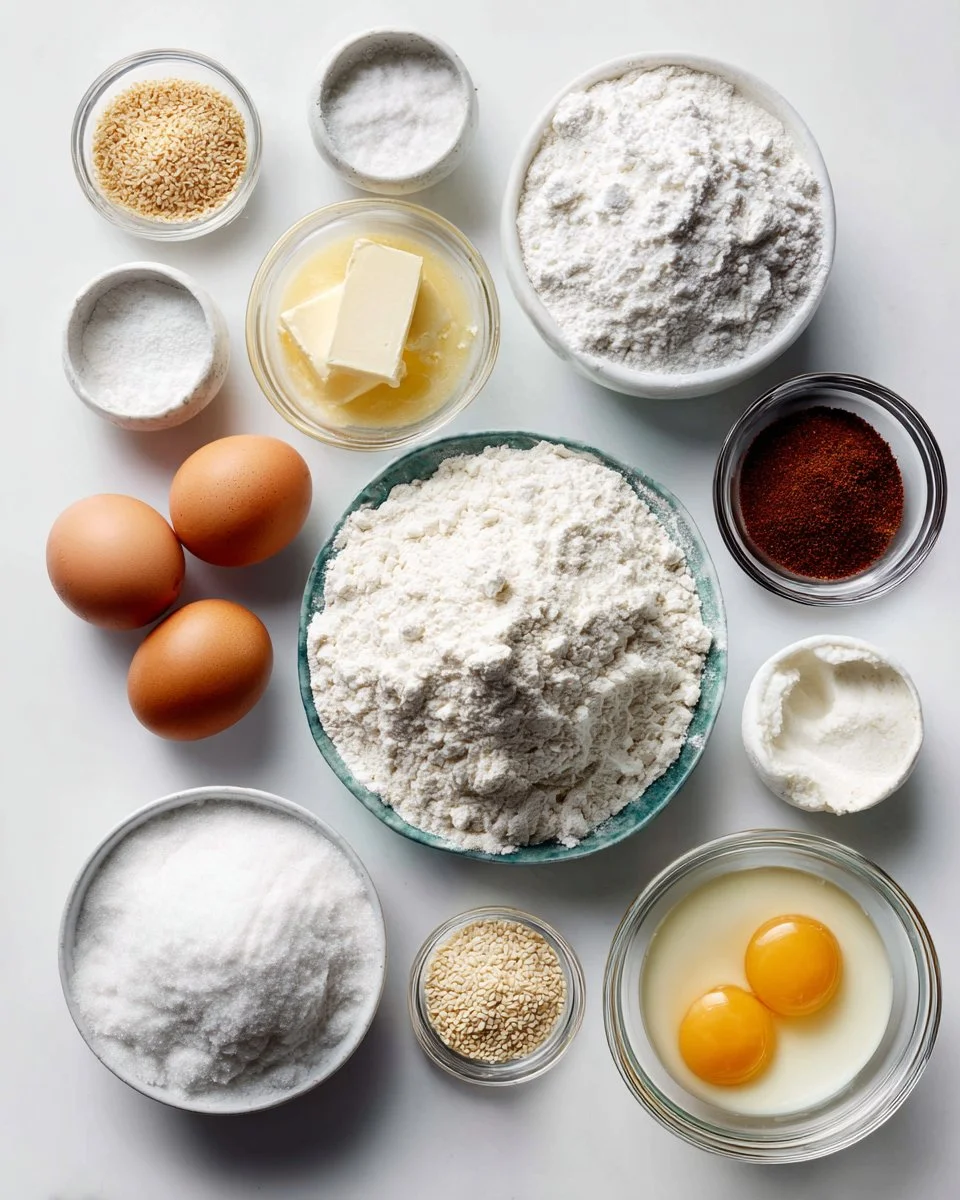
Ingredients Section
- 4 cups all-purpose flour: Opt for a high-quality brand like King Arthur or Gold Medal for the best results. Make sure it’s sifted for fluffy bread!
- 1/2 cup sugar: Regular granulated sugar works just fine, but feel free to reduce the amount if you prefer a less sweet loaf.
- 1/2 cup butter: Unsalted butter is the way to go. Remember to let it come to room temperature for easier mixing.
- 1 cup milk: Whole milk yields a rich flavor, but any milk or even dairy alternatives can work.
- 3 large eggs: Fresh eggs will give your loaf the best flavor and richness.
- 1 packet active dry yeast: Make sure this is fresh, as expired yeast will yield lackluster results.
- 1/2 teaspoon salt: A crucial element, it enhances the overall flavor.
- 1 teaspoon ground mahlab (optional): This adds an aromatic quality and hints of cherry and almond. I highly recommend it for an authentic twist!
- 1 teaspoon ground cardamom (optional): It lends a warm, sweet spice to your bread.
- Egg wash (1 egg beaten with 1 tablespoon of water): This gives your Tsoureki a beautiful golden sheen.
- Sesame seeds for topping (optional): A classic finish that adds both flavor and texture.
Prep notes: Make sure your butter is softened to room temperature, and consider warming your milk slightly—around 100°F—before using it to activate the yeast effectively.
Step-by-Step Instructions
Activate the Yeast: In a small saucepan, warm the milk until lukewarm (not hot to the touch). Add the yeast and let it sit for about 10 minutes until it becomes frothy.
Combine Dry Ingredients: In a large bowl, mix the flour, sugar, salt, mahlab, and cardamom.
Mix Wet Ingredients: In a separate bowl, whisk together the eggs and melted butter until smooth and creamy.
Form the Dough: Add the yeast mixture and egg mixture to the dry ingredients. Knead the dough until it’s smooth and elastic—around 8-10 minutes. Don’t rush this step; it’s the foundation of your Tsoureki!
First Rise: Cover the bowl with a cloth and let the dough rise in a warm place for 1-2 hours, or until doubled in size. (A warm oven with just the light on works wonders!)
Shape the Dough: After rising, punch down the dough to release the air, then divide it into three equal parts. Roll each part into a long rope—think about 20 inches each.
Braid the Dough: Braid the three ropes together gently, shaping it into a circle or leaving it as a braided loaf.
Second Rise: Place your braided loaf on a baking sheet lined with parchment paper. Cover and let it rise for another 30 minutes to get that lovely airy texture.
Preheat the Oven: While the dough rises, preheat your oven to 350°F (175°C).
Egg Wash & Seeds: Brush the dough with the egg wash and sprinkle sesame seeds if desired.
Bake to Perfection: Bake for 25-30 minutes until the Tsoureki is golden brown and sounds hollow when tapped on the bottom.
Cool Before Serving: Allow it to cool completely before slicing – if you can resist the temptation!
Chef’s Tip: Check for doneness by using a thermometer; the internal temperature should read around 190°F.
Expert Tips & Tricks
Storing Your Tsoureki: Keep your homemade Tsoureki in an airtight container at room temperature for up to 3 days. For extended shelf-life, wrap it in plastic wrap and freeze for up to 2 months.
Make Ahead: Prepare your dough the night before! After kneading, place it in the fridge to slow down the rise process. Next day, just take it out, let it come to room temperature, and continue with shaping and baking.
Common Problems: If your dough doesn’t rise, check that your yeast is fresh. Too much cooling can also hinder its growth; ensure your kitchen is warm enough.
Mistake Avoidance: Don’t rush through the kneading process! Properly kneaded dough is key for that perfect fluffy texture.
Add Moisture: If you find your dry ingredients causing a tougher dough, add a splash of water or milk as needed while kneading.
Serving Suggestions
While Traditional Greek Tsoureki can stand on its own as a delicious treat, it pairs wonderfully with a variety of accompaniments. Think a light dusting of powdered sugar or a drizzle of honey for extra sweetness. Serve alongside a warm cup of coffee or tea, or use it as a base for French toast on a Sunday morning. It’s perfect for Easter brunch but elegant enough for any occasion. Display it on a beautiful platter, topped with sprigs of fresh herbs or edible flowers for that extra touch of festivity.
Variations & Substitutions
Add a twist to your Traditional Greek Tsoureki by incorporating flavors that you love. Consider mixing in chocolate chips or dried fruit like cranberries or apricots for a delightful surprise in every bite.
Dietary Adaptations: To make it vegan, substitute almond milk for regular milk, use flax eggs instead of regular eggs, and replace the butter with coconut oil.
Seasonal Flavors: In the fall, try adding some pumpkin spice or nutmeg, while in spring, a hint of lemon or orange zest can revive the flavors perfectly.
Nutrition & Storage Info
- Prep time: 20 minutes
- Cook time: 30 minutes
- Total time: 2-3 hours (including rising)
- Yield: About 12 servings
- Estimated calories per serving: Approximately 190 calories
- Storage instructions: Room temperature for up to 3 days, refrigerated up to 1 week, frozen for up to 2 months.
FAQ Section
Can I use whole wheat flour instead of all-purpose flour?
Absolutely! Just keep in mind that whole wheat might yield a denser texture. You might find adding a couple of tablespoons of vital wheat gluten helps retain softness.What can I substitute for mahlab?
If you can’t find mahlab, consider using a mix of almond extract and vanilla extract for similar but uniquely different flavor profiles.Why is my dough not rising?
Check that your yeast is fresh and that the environment is warm enough for the yeast to work well.Can I make Tsoureki without eggs?
Yes! You can use flaxseed meal mixed with water as an egg substitute. Use 1 tablespoon of flaxseed meal with 3 tablespoons of water per egg.What should I serve with Tsoureki?
It’s delicious on its own, but it pairs wonderfully with coffee, tea, or even Greek yogurt spread with a touch of honey.Can I prepare the dough the night before?
Yes, just refrigerate the dough after kneading. Let it come to room temperature, then shape and bake as directed.What are some fun toppings?
Try brushing the baked Tsoureki with simple syrup after baking or sprinkling with different types of nuts or seeds.Why is my Tsoureki dense?
This may be due to under-kneading or the dough being overworked. Make sure to allow it to rise fully.Can I add nuts to the dough?
Absolutely! Chopped walnuts or almonds can be folded in just before shaping to incorporate some crunch.How long does it last?
When stored properly, your Tsoureki can last at room temperature for about three days, longer in the fridge, or up to two months in the freezer.

Conclusion
This Traditional Greek Tsoureki recipe is more than just a delightful baked good; it’s an experience steeped in the rich tapestries of Greek culture and family memories. With every braided twist, you’re not just creating bread; you’re creating a piece of home that you can share with your loved ones.
I encourage you to try making this recipe today, and I can’t wait to hear your stories and reactions! Feel free to leave your feedback in the comments below, and explore related recipes on my blog to continue your baking journey. Happy baking!

Traditional Greek Tsoureki
Ingredients
Main Ingredients
- 4 cups all-purpose flour Opt for a high-quality brand like King Arthur or Gold Medal for the best results. Make sure it’s sifted for fluffy bread!
- 1/2 cup sugar Regular granulated sugar works just fine, but feel free to reduce the amount if you prefer a less sweet loaf.
- 1/2 cup unsalted butter Remember to let it come to room temperature for easier mixing.
- 1 cup whole milk Yields a rich flavor, but dairy alternatives can work too.
- 3 large eggs Fresh eggs will give your loaf the best flavor and richness.
- 1 packet active dry yeast Make sure this is fresh, as expired yeast will yield lackluster results.
- 1/2 teaspoon salt Enhances the overall flavor.
- 1 teaspoon ground mahlab Adds an aromatic quality and hints of cherry and almond.
- 1 teaspoon ground cardamom Lends a warm, sweet spice to your bread.
- 1 large egg, beaten with 1 tablespoon of water For egg wash to give your Tsoureki a beautiful golden sheen.
- sesame seeds For topping, optional.
Instructions
Preparation
- Warm the milk until lukewarm, add yeast and let sit for about 10 minutes until frothy.
- In a large bowl, mix the flour, sugar, salt, mahlab, and cardamom.
- In a separate bowl, whisk together the eggs and melted butter until smooth.
- Add the yeast mixture and egg mixture to the dry ingredients, kneading until smooth and elastic for 8-10 minutes.
- Cover and let the dough rise in a warm place for 1-2 hours until doubled in size.
- Punch down the dough, divide it into three parts, and roll each part into long ropes.
- Braid the three ropes together, shaping into a circle or braided loaf.
- Let the dough rise for another 30 minutes on a lined baking sheet.
- Preheat the oven to 350°F (175°C).
- Brush the dough with egg wash and sprinkle sesame seeds if desired.
- Bake for 25-30 minutes until golden brown and hollow sounding when tapped.
- Allow it to cool completely before slicing.